
Some audit trails may only capture errors, and a few simple details, like in the anti-virus example above. Other audit trails are deeply complex, and require some technical expertise to read and process. Audit trails are essential for fighting financial crime and ensuring operational integrity.

Electronic or Digital Audit Trail
While these videos demonstrate how to set up logging mechanisms, configure retention policies, or review system access records, they lack the structured documentation needed for compliance verification. Audit trails operate through the gathering of data concerning any event or transaction and storing that data in a secure log file. Reports or alerts are then prepared using predefined parameters based on the information in the log file. While audit trails can be created manually, they are typically automated through software for better accuracy, consistency, and real-time tracking. An audit trail improves security by tracking user activities, ensuring only authorized personnel make changes, and providing a detailed log to identify potential fraud or system breaches. Regulatory requirements are continually evolving, and businesses must keep pace with changes in laws related to data privacy, financial reporting, and industry-specific standards.
Transparency
The Strategy score measures alignment of supplier strategies with customer requirements in a 3-5-year timeframe. With Trullion, teams can finally automate the audit trail from source documents to disclosures, with AI validating, linking, and monitoring every step. Our on-demand webinar, The New Era of Audit, breaks down the tools and strategies leading teams are using today. In an example of an audit trail in that scenario, imagine that a company wants to buy a new laptop to enable an employee to work from home.

What Are Examples of Industries That Use Audit Trails?

You enter the store to buy a lemon and walk out with a receipt recording the transaction. It will include what you purchased, the exact time that it happened, and the location where the transaction took place. In a more complex scenario, an audit trail is used to verify the source of funds for a down payment on a audit trail home by a mortgage lender.
Audit trail definition and meaning
This tool provides a structured approach for assessing the value of an eQMS for income statement your business. For instance, solutions like SimplerQMS, by default, automatically generate and store every version of a document, file, and record. To achieve security, the system should limit access to only authorized individuals, as stated in 21 CFR 11.10(d).
- Learn about the risk-based approach in AML and KYC, including its role in risk assessment, money laundering prevention, and effective risk management.
- An application audit trail monitors user activities within specific applications or software systems.
- For businesses in Singapore that require a flexible and cost-effective solution for managing audit trails, cloud-based tools offer a significant advantage.
- Record retention periods for audit trail logs will depend on government and industry regulations applicable to your business activities.
- Overall, an audit trail offers businesses peace of mind by providing a clear, tamper-proof record of all transactions and actions.
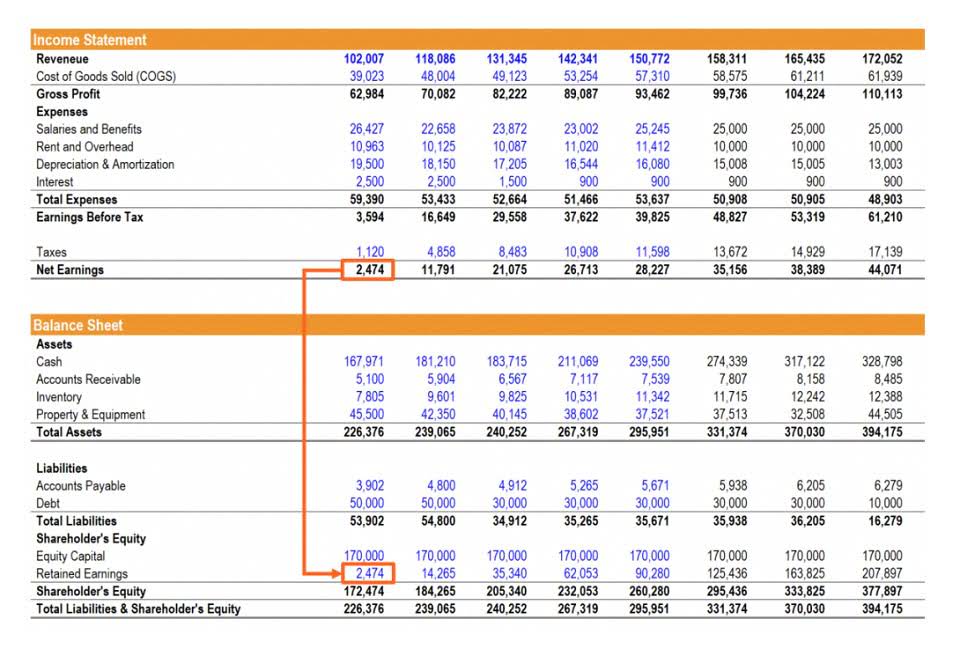
This article delves into the intricate details of the audit trail, exploring its definition, explanation, and use cases in depth. Both internal and external auditors can follow transactions through an accounting system using an audit trail. The accounting team can also utilize an audit trail to find faults and the reasons behind financial statement variations. The system ensures that new record changes do not overwrite past recorded information in the audit trail. SimplerQMS tracks and displays the changes made to a document or file over time, as well as provides the ability to restore previous versions if necessary. The FDA 21 CFR Part 11 regulation requires the system used to manage electronic records to provide a secure, computer-generated, and time-stamped audit trail.
- It provides a clear and chronological sequence of events, allowing auditors and stakeholders to verify the integrity of financial reporting and internal controls.
- Audit trails help businesses assess and mitigate risks by providing detailed insights into potential vulnerabilities in systems or processes.
- It records which healthcare provider viewed the information, when they accessed it, what they looked at, and any changes they made.
- With FOCAL, your team gets a complete view of each customer, including all their transactions, risk levels, sanctions alerts, and any rules or scenarios that have been triggered.
- Finprov inspires the next generation of world-class accounting, finance, and digital marketing professionals with a combination of expert trainers and innovative learning methods.
- Protect audit trail data integrity through secure storage, access controls, and tamper-prevention measures to ensure reliability and trustworthiness.
Importance of audit trails
Companies using automated audit trail systems have been shown to reduce financial reporting errors by up to 78% compared to manual tracking. Those with solid audit systems also tend to complete financial audits about 40% faster. And for Liability Accounts publicly traded companies, the Sarbanes-Oxley Act mandates active audit trails since annual audits by independent external auditors are required. An audit trail is a detailed, chronological record whereby accounting records, project details, transactions, user activity, or other financial data are tracked and traced.